Delving into DUI Victim Attorney: Seeking Punitive Damages Against Drunk Drivers, this introduction immerses readers in a unique and compelling narrative, with a casual formal language style that is both engaging and thought-provoking from the very first sentence.
Exploring the critical role of DUI victim attorneys in seeking punitive damages against drunk drivers sheds light on the legal procedures and factors considered in these cases.
Understanding DUI Victim Attorneys
A DUI victim attorney plays a crucial role in legal proceedings by representing individuals who have been injured or affected by drunk drivers. These attorneys specialize in navigating the complexities of DUI cases and advocating for the rights of victims.
Importance of Seeking Punitive Damages Against Drunk Drivers
Seeking punitive damages against drunk drivers is essential to hold them accountable for their actions and deter others from driving under the influence. Punitive damages go beyond compensating victims for their losses and aim to punish the negligent driver for their reckless behavior.
Examples of Successful Cases Handled by DUI Victim Attorneys
- One notable case involved a DUI victim attorney securing a substantial settlement for a client who suffered severe injuries in a drunk driving accident. The attorney's expertise in proving negligence and advocating for maximum compensation played a crucial role in the successful outcome.
- In another case, a DUI victim attorney represented a family who lost a loved one in a fatal DUI crash. The attorney's dedication to seeking justice for the family resulted in a significant award of punitive damages against the drunk driver, sending a strong message about the consequences of driving under the influence.
Legal Procedures for Seeking Punitive Damages
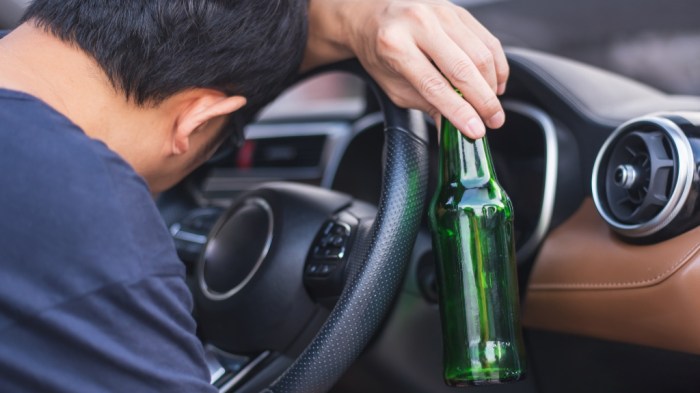
When pursuing punitive damages against a drunk driver as a DUI victim, there are specific legal procedures that must be followed to seek justice and compensation for the harm caused. This process involves filing a lawsuit, presenting evidence, and overcoming challenges in court.
Filing a Lawsuit Against a Drunk Driver
- Consultation with DUI Victim Attorney: The first step is to consult with a DUI victim attorney who specializes in handling cases involving drunk driving accidents. They will assess your case and determine the best course of action.
- Investigation and Evidence Collection: Your attorney will conduct a thorough investigation to gather evidence such as police reports, witness statements, medical records, and any other relevant documentation to support your claim.
- Filing the Lawsuit: Once all necessary evidence is collected, your attorney will file a lawsuit against the drunk driver responsible for the accident. This legal document Artikels the details of the case and the damages sought.
Pursuing Punitive Damages
- Evidence of Gross Negligence: To pursue punitive damages, it must be proven that the actions of the drunk driver were not only negligent but also showed a reckless disregard for the safety of others. This typically involves demonstrating a pattern of behavior or extreme intoxication.
- Court Proceedings: During court proceedings, your attorney will present the evidence gathered to support the claim for punitive damages. They will argue for the need for punitive damages to punish the defendant and deter similar behavior in the future.
- Jury Decision: In cases where punitive damages are sought, the jury will decide whether to award them based on the evidence presented. The amount awarded can vary depending on the severity of the misconduct and the impact on the victim.
Challenges and Overcoming Them
- Burden of Proof: One of the main challenges in seeking punitive damages is meeting the high burden of proof required to show that the defendant's actions warrant punishment beyond compensatory damages. This involves presenting clear and convincing evidence.
- Public Perception: Another challenge is overcoming public perception that punitive damages are excessive or unnecessary. Your attorney will need to effectively communicate the reasons for seeking punitive damages and the importance of holding the drunk driver accountable.
- Legal Complexities: Navigating the legal system and understanding the complexities of seeking punitive damages can be challenging. Having an experienced DUI victim attorney on your side can help overcome these obstacles and ensure your rights are protected.
Factors Considered in Punitive Damages Cases
When it comes to punitive damages in DUI cases, several key factors are taken into consideration to determine the amount awarded. These factors play a crucial role in ensuring that justice is served and that drunk drivers are held accountable for their actions.
Key Factors Influencing Punitive Damages
- The level of recklessness or intent exhibited by the drunk driver
- The severity of the injuries caused to the victim or victims
- The driver's history of DUI offenses or previous misconduct
- The financial status of the driver to ensure the punishment is meaningful
Comparison of Punitive and Compensatory Damages
- Punitive damages are meant to punish the defendant for their actions and deter future misconduct, while compensatory damages aim to compensate the victim for their losses.
- Punitive damages are typically awarded in addition to compensatory damages, reflecting the severity of the defendant's actions.
Legal Precedents in DUI Punitive Damages Cases
- Court decisions in previous DUI cases where punitive damages were awarded can set a precedent for future cases, guiding judges in their decision-making process.
- These precedents help ensure consistency in the application of punitive damages and hold drunk drivers accountable for their actions.
Impact of Punitive Damages on Drunk Driving Prevention

Punitive damages play a crucial role in deterring individuals from driving under the influence of alcohol. When drunk drivers face the prospect of significant financial penalties in addition to criminal charges, they are more likely to think twice before getting behind the wheel while intoxicated.
Reducing Incidents of DUI
- Punitive damages serve as a strong deterrent by imposing financial consequences on drunk drivers beyond criminal penalties.
- Knowing that they could face substantial monetary repercussions, individuals are less inclined to engage in risky behavior such as drunk driving.
- Research has shown that jurisdictions with robust punitive damages laws tend to have lower rates of DUI incidents compared to areas with lenient consequences.
Potential Changes in Behavior
- Due to the threat of punitive damages, some drunk drivers may opt for alternative transportation methods like ridesharing services or designated drivers.
- The fear of facing punitive damages can lead to increased awareness about the dangers of driving under the influence, prompting individuals to make more responsible choices.
- For repeat offenders, the prospect of escalating punitive damages can act as a strong motivator to seek help for alcohol addiction and modify their behavior.
Last Point
In conclusion, the pursuit of punitive damages serves as a significant deterrent against drunk driving, impacting both legal outcomes and societal behavior. This comprehensive overview underscores the importance of seeking justice for DUI victims through legal avenues.
Commonly Asked Questions
What is the role of a DUI victim attorney?
A DUI victim attorney represents victims in legal proceedings, seeking punitive damages against drunk drivers to hold them accountable for their actions.
How do DUI victim attorneys pursue punitive damages?
DUI victim attorneys follow a step-by-step process of filing lawsuits and presenting evidence to support their case for punitive damages.
What factors influence the amount of punitive damages awarded in DUI cases?
The severity of the offense, the driver's history, and the impact on the victim are key factors considered in determining punitive damages.
How do punitive damages impact drunk driving prevention?
Punitive damages act as a deterrent by imposing financial consequences on drunk drivers, potentially reducing incidents of DUI and encouraging safer behavior.