Beginning with Product Liability Lawyer Boston: Filing Claims for Exploding Lithium-Ion Batteries, the narrative unfolds in a compelling and distinctive manner, drawing readers into a story that promises to be both engaging and uniquely memorable.
Lithium-ion batteries are widely used in various devices due to their efficiency, but they also pose risks of explosions. Understanding product liability laws in such cases is crucial to protect consumers and hold responsible parties accountable. This guide delves into the process of filing claims for exploding lithium-ion batteries with the help of a product liability lawyer in Boston.
Introduction to Exploding Lithium-Ion Batteries
Lithium-ion batteries are rechargeable batteries commonly used in electronic devices such as smartphones, laptops, and electric vehicles. These batteries work by moving lithium ions between the positive and negative electrodes, allowing for the flow of electricity.
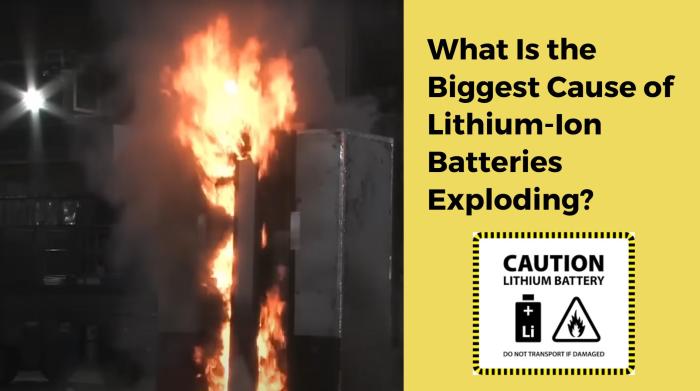
However, one of the potential risks associated with lithium-ion batteries is the possibility of them exploding or catching fire. This can be caused by factors such as overcharging, overheating, or physical damage to the battery.
Importance of Product Liability Laws
Product liability laws are crucial in cases involving exploding lithium-ion batteries as they hold manufacturers, distributors, and sellers accountable for any defects or dangers present in their products. These laws help protect consumers from harm and ensure that responsible parties are held liable for any damages caused.
Product Liability Claims Process
When it comes to filing a product liability claim for exploding lithium-ion batteries, there are specific steps that need to be followed to ensure a successful outcome. These claims can be complex, so having a product liability lawyer on your side is crucial.
Role of a Product Liability Lawyer
- A product liability lawyer specializes in handling cases where consumers have been injured or suffered damages due to defective products, such as exploding lithium-ion batteries.
- They will investigate the circumstances surrounding the incident, gather evidence, and build a strong case to prove liability on the part of the manufacturer, distributor, or retailer.
- A product liability lawyer will negotiate with the responsible parties and their insurance companies to ensure you receive fair compensation for your injuries and damages.
Criteria for Determining Liability
- In cases involving exploding batteries, liability may be determined by factors such as the design of the battery, manufacturing defects, inadequate warnings or instructions, or negligence on the part of the manufacturer.
- The plaintiff must prove that the battery was defective and that this defect directly caused their injuries or damages.
- It is important to establish a direct link between the defect and the harm suffered in order to hold the responsible party liable for compensation.
Identifying Responsible Parties
When dealing with exploding lithium-ion batteries, it is essential to identify the parties that may be held liable for the damages caused. Understanding the roles of manufacturers, distributors, and retailers is crucial in determining who is responsible for the faulty product.
Manufacturer Liability
Manufacturers are typically held liable for defects in the design, production, or labeling of the product. In the case of exploding lithium-ion batteries, if the battery was defectively manufactured or designed, the manufacturer could be held accountable. An example of a successful product liability case involving exploding batteries is the Samsung Galaxy Note 7, where the manufacturer had to recall the product due to battery explosions.
Distributor Liability
Distributors are responsible for ensuring that the products they distribute are safe for consumer use. If a distributor fails to properly inspect or handle the products, resulting in a defective battery causing harm, they may be held liable. An example of distributor liability in a product liability case could be a distributor knowingly selling batteries that have a history of exploding without warning consumers.
Retailer Liability
Retailers are the final link between the manufacturer and the consumer. They have a duty to sell safe products and warn consumers of any potential dangers. If a retailer sells a lithium-ion battery knowing it is defective and poses a risk of explosion, they could be held responsible for any resulting damages.
An example of retailer liability could be a store selling batteries without proper safety warnings or instructions.By understanding the different responsibilities of manufacturers, distributors, and retailers, it becomes easier to identify the parties that may be held accountable for exploding lithium-ion batteries.
Being aware of past product liability cases can also provide valuable insights into the legal process and potential outcomes.
Legal Considerations in Boston
When it comes to product liability claims in Boston, there are specific laws and regulations that govern these cases. Understanding the legal landscape is crucial in navigating the complexities of filing claims for exploding lithium-ion batteries.
Boston Laws and Regulations
- Boston follows strict product liability laws that hold manufacturers, distributors, and retailers accountable for the safety of their products.
- Massachusetts General Laws Chapter 93A Artikels consumer protection regulations that can impact product liability claims.
- The Massachusetts Products Liability Act sets the standards for liability in cases involving defective products, including exploding lithium-ion batteries.
Precedents and Notable Cases
- In 2017, a Boston woman filed a lawsuit against a popular electronics company after her smartphone's lithium-ion battery exploded, causing injuries. The case set a precedent for product liability claims involving faulty batteries.
- A landmark case in 2015 involved a Boston family whose house caught fire due to a defective lithium-ion battery in a hoverboard. The legal battle highlighted the importance of holding manufacturers accountable for product defects.
Jurisdiction Impact
- The jurisdiction in Boston can significantly impact product liability claims, as different courts may have varying interpretations of the law.
- Understanding the jurisdictional nuances is essential for building a strong case and seeking compensation for damages caused by exploding lithium-ion batteries.
Compensation and Damages
When it comes to product liability cases involving exploding lithium-ion batteries, the types of compensation that may be awarded can vary depending on the specific circumstances of the case. In general, compensation in these cases may include:
Types of Compensation
- Medical expenses: This can cover the costs of any medical treatment required as a result of injuries caused by the exploding lithium-ion battery.
- Lost wages: If the injuries sustained led to missed work and a loss of income, compensation may be awarded for these lost wages.
- Pain and suffering: Compensation may also be provided for the physical and emotional pain experienced due to the incident.
- Punitive damages: In cases where the responsible party's actions were particularly reckless or intentional, punitive damages may be awarded to punish the wrongdoer and deter similar behavior in the future.
Calculating Damages
In cases of exploding lithium-ion batteries, damages are typically calculated based on a variety of factors, including the severity of injuries, the impact on the victim's life, and any financial losses incurred. Medical bills, therapy costs, lost wages, and pain and suffering are all taken into account when determining the amount of compensation to be awarded.
Negotiating Settlements
Negotiating settlements in product liability cases can be a complex process. It often involves discussions between the parties involved, their legal representatives, and insurance companies. During negotiations, factors such as the strength of the evidence, the potential outcomes of a trial, and the costs associated with litigation are all taken into consideration.
Both parties may need to compromise to reach a settlement that is fair and satisfactory for all involved.
Ending Remarks
In conclusion, navigating the complexities of product liability claims for exploding lithium-ion batteries requires expertise and understanding of legal nuances. By seeking the guidance of a knowledgeable lawyer, individuals can pursue rightful compensation and ensure accountability for any damages incurred.
With the right support, justice can be served in such cases.
Essential FAQs
Who can be held liable for exploding lithium-ion batteries?
The parties that can be held liable include manufacturers, distributors, and retailers involved in the chain of distribution.
What types of compensation can be awarded in product liability cases?
Compensation may include medical expenses, lost wages, pain and suffering, and punitive damages.
How are damages calculated in cases of exploding lithium-ion batteries?
Damages are calculated based on factors such as medical bills, lost income, and the extent of the injuries suffered.
Is negotiating settlements common in product liability cases?
Yes, negotiating settlements is a common practice to avoid lengthy court battles and reach a resolution efficiently.
Are there specific laws in Boston regarding product liability claims?
Yes, Boston has specific laws that govern product liability claims, and understanding these regulations is crucial when filing a claim.