Kicking off with Pharmacy Errors & Wrong Medication: Liability for Life-Threatening Dosages, this opening paragraph is designed to captivate and engage the readers, setting the tone casual formal language style that unfolds with each word.
The content of the second paragraph that provides descriptive and clear information about the topic
Causes of Pharmacy Errors
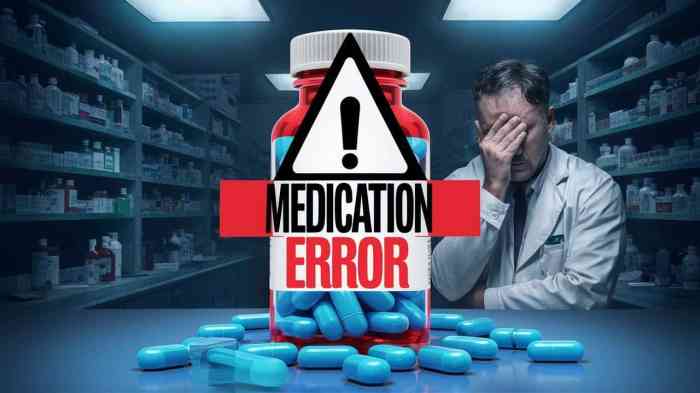
Pharmacy errors can have serious consequences, ranging from wrong medications being dispensed to life-threatening dosages being administered to patients. It is crucial to understand the common factors that contribute to these errors in order to prevent them effectively.
Identifying Common Factors
- Human Error: Mistakes made by pharmacy staff, such as misreading prescriptions or selecting the wrong medication.
- Illegible Prescriptions: Handwriting that is difficult to read can lead to incorrect dispensing of medications.
- High Workload: Pharmacists and technicians may feel pressured to work quickly, increasing the chance of errors.
Miscommunication and Wrong Medication
- Verbal Orders: Misunderstandings can occur when physicians provide verbal orders for medications to be filled.
- Lack of Clarity: Incomplete or vague prescriptions can result in the wrong medication being dispensed.
- Patient Information: Incorrect patient information can lead to dispensing the wrong medication to the wrong individual.
Role of Technology in Error Reduction
- Barcode Scanning: Utilizing barcode technology can help ensure the right medication is being dispensed for the right patient.
- Electronic Prescriptions: Electronic systems can reduce errors caused by illegible handwriting and improve communication between healthcare providers.
- Automated Alerts: Pharmacy software can provide alerts for potential drug interactions or incorrect dosages, helping to prevent errors before they occur.
Impact of Wrong Medication on Patients
Wrong medication can have devastating consequences on patients, leading to severe health complications and emotional distress for both patients and their families.
Life-Threatening Consequences
- Administering the wrong medication can result in allergic reactions, organ damage, or even death.
- Incorrect dosages of medication can lead to overdoses or underdoses, causing serious harm to the patient's health.
- Mixing up medications can result in adverse drug interactions, exacerbating existing health conditions.
Severe Health Complications
- Patients may experience worsening symptoms or new health issues due to incorrect medication.
- Long-term effects of wrong medication can impact the patient's overall health and quality of life.
- Surgery or other medical procedures may be required to address complications caused by the wrong medication.
Emotional and Psychological Effects
- Patient may experience anxiety, fear, and mistrust towards healthcare providers after a medication error.
- Family members may feel guilt, anger, and helplessness witnessing their loved one suffer due to a medication mistake.
- Coping with the aftermath of a wrong medication incident can lead to mental health issues such as depression or PTSD.
Legal Implications and Liability
When it comes to pharmacy errors and wrong medication, there are significant legal implications and liabilities that pharmacists need to be aware of. It is crucial for pharmacists to understand their legal responsibilities in preventing medication errors to ensure the safety and well-being of patients.
Legal Responsibilities of Pharmacists
Pharmacists have a duty of care to accurately dispense medications and provide the correct dosage to patients. Failure to fulfill this duty can result in serious consequences, including legal action and liability for any harm caused to the patient.
Consequences for Pharmacists and Pharmacies
In cases where life-threatening dosages are dispensed to patients, pharmacists and pharmacies can face severe repercussions. This may include lawsuits, fines, license suspension, or even criminal charges if negligence is proven. The reputation of the pharmacist and pharmacy can also be irreparably damaged.
Determining Liability for Pharmacy Errors in Court
Liability for pharmacy errors is determined in court based on various factors, including the standard of care expected from a pharmacist, evidence of negligence or recklessness, and the extent of harm caused to the patient. Expert testimony and medical records are often presented to establish liability and determine the appropriate compensation for the affected individual.
Prevention and Risk Mitigation
Pharmacies play a crucial role in ensuring patient safety by minimizing the risk of dispensing wrong medication. Implementing effective strategies and quality assurance measures can significantly reduce errors, ultimately preventing life-threatening situations.
Strategies for Minimizing Risk
- Utilize barcode scanning technology to verify medication accuracy before dispensing.
- Implement double-check procedures by involving multiple pharmacy staff in the verification process.
- Enhance communication between pharmacists and patients to ensure accurate medication information.
Quality Assurance Measures
- Regularly conduct medication inventory audits to prevent stockouts or mix-ups.
- Establish standardized protocols for medication dispensing and labeling to reduce confusion.
- Utilize automated dispensing systems to minimize human error in medication selection.
Importance of Pharmacist Training
Pharmacist training and continuous education are essential in error prevention. Ongoing education ensures that pharmacists stay updated on the latest medications, dosages, and safety protocols. Training programs also focus on improving communication skills and enhancing critical thinking to address potential errors effectively.
Ultimate Conclusion
The content of the concluding paragraph that provides a summary and last thoughts in an engaging manner
FAQ Corner
What are some common factors contributing to pharmacy errors?
Common factors include miscommunication, similar drug names, and inadequate pharmacist training.
What are the legal responsibilities of pharmacists in preventing medication errors?
Pharmacists are legally responsible for ensuring the accuracy of prescriptions, verifying patient information, and providing proper dosage instructions.
How is liability for pharmacy errors determined in court?
Liability is usually determined based on negligence or malpractice, where the pharmacist failed to meet the standard duty of care.