Delving into Tractor-Trailer Wreck Claims: Navigating Federal Motor Carrier Safety Regulations, this introduction immerses readers in a unique and compelling narrative, with a casual formal language style that is both engaging and thought-provoking from the very first sentence.
Exploring the common causes of tractor-trailer wrecks, injuries associated with these accidents, and the legal implications for parties involved sets the stage for a comprehensive understanding of this complex topic.
Overview of Tractor-Trailer Wrecks
Tractor-trailer wrecks are often caused by a variety of factors, including driver error, mechanical failure, inclement weather, and road conditions. These accidents can result in serious injuries and even fatalities, making them a significant concern on the roads.
Common Causes of Tractor-Trailer Wrecks
- Driver Fatigue: Long hours on the road can lead to drowsy driving and impaired decision-making.
- Distracted Driving: Texting, talking on the phone, or other distractions can divert a driver's attention from the road.
- Speeding: Excessive speed reduces reaction time and increases the severity of accidents.
- Poor Maintenance: Neglected maintenance can result in brake failure, tire blowouts, and other mechanical issues.
Types of Injuries Associated with Tractor-Trailer Wrecks
- Whiplash: Sudden impact can cause neck and spinal injuries.
- Broken Bones: Collisions with large trucks can result in severe fractures.
- Internal Injuries: Blunt force trauma from a wreck can cause damage to internal organs.
- Head Trauma: Concussions and traumatic brain injuries are common in tractor-trailer accidents.
Legal Implications for Parties Involved
- Liability: Determining fault in a tractor-trailer wreck can be complex and may involve multiple parties, including the driver, trucking company, and maintenance personnel.
- Compensation: Injured parties may be entitled to compensation for medical expenses, lost wages, pain and suffering, and other damages.
- Regulatory Compliance: Trucking companies must adhere to federal motor carrier safety regulations to ensure the safety of their drivers and other road users.
Federal Motor Carrier Safety Regulations
Federal Motor Carrier Safety Regulations are crucial guidelines established by the Federal Motor Carrier Safety Administration (FMCSA) to ensure the safety of tractor-trailer operations on the roads. These regulations aim to prevent tractor-trailer wrecks by setting strict standards for various aspects of commercial motor vehicles and their drivers.
Key Regulations Set by FMCSA
- Hours of Service (HOS): Regulations that limit the number of hours a driver can operate a commercial vehicle to prevent driver fatigue.
- Vehicle Maintenance: Guidelines for regular inspection, repair, and maintenance of tractor-trailers to ensure they are safe to operate.
- Driver Qualifications: Requirements for driver training, licensing, and medical fitness to operate a commercial vehicle.
- Drug and Alcohol Testing: Mandates for drug and alcohol testing of commercial drivers to ensure they are not impaired while on duty.
Examples of Safety Standards in FMCSA Regulations
-
Electronic Logging Devices (ELDs): Mandated use of ELDs to accurately record a driver's hours of service, replacing paper logbooks.
-
Weight Limits: Regulations on maximum weight limits for tractor-trailers to prevent overloading and maintain safe handling.
-
Safety Inspections: Requirements for regular vehicle inspections to identify and address any safety issues promptly.
Compliance Requirements for Trucking Companies
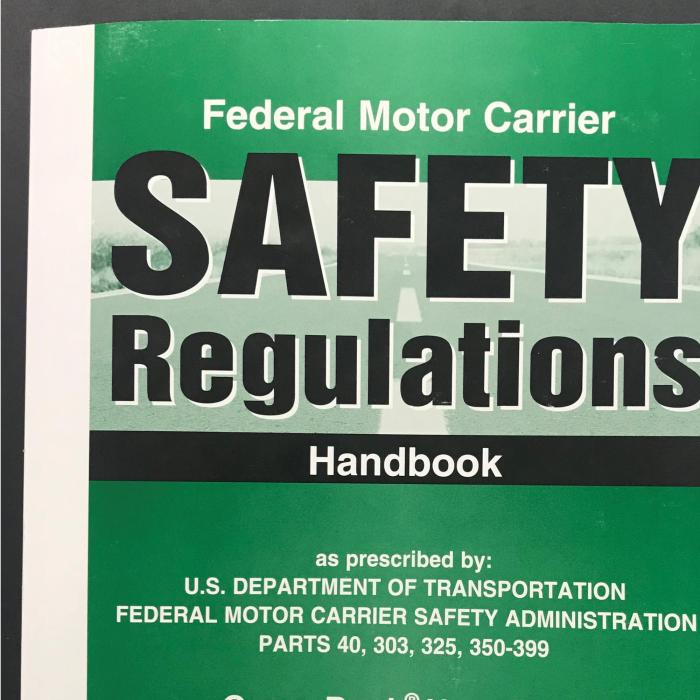
Trucking companies are required to adhere to specific compliance regulations set forth by federal law to ensure the safety of their operations and the roads. Failure to comply with these regulations can result in serious consequences, including fines, penalties, and even suspension of operations.
Mandatory Compliance Requirements
- Trucking companies must maintain accurate records of driver qualifications, hours of service, vehicle maintenance, and inspections.
- They are required to conduct regular drug and alcohol testing for all drivers.
- Companies must ensure that all vehicles meet safety standards and are properly marked with identification numbers.
Procedures for Ensuring Compliance
- Regular training programs should be implemented to educate drivers and staff on compliance requirements.
- Internal audits and inspections should be conducted to identify and address any potential violations.
- Effective communication channels should be established to report any compliance issues promptly.
Consequences of Non-Compliance
- Trucking companies may face hefty fines and penalties for failing to comply with regulations.
- Suspension of operations or loss of operating license may occur in severe cases of non-compliance.
- Incidents of non-compliance can tarnish the company's reputation and lead to loss of business opportunities.
Driver Training and Qualifications
In the realm of tractor-trailer driving, training and qualifications are crucial aspects that directly impact road safety and accident prevention. Ensuring that drivers are adequately prepared and knowledgeable about operating these large vehicles is essential in reducing the risk of accidents on our roads.
Training Requirements for Tractor-Trailer Drivers
- Drivers must obtain a commercial driver's license (CDL) to operate a tractor-trailer, which involves passing written and practical exams.
- Training programs cover topics such as vehicle operation, safety regulations, defensive driving techniques, and cargo handling.
- Drivers are also required to undergo periodic medical examinations to ensure they are physically fit to operate a commercial vehicle.
Qualification Standards for Tractor-Trailer Drivers
- Drivers must meet specific age requirements and have a clean driving record to be eligible for employment as tractor-trailer operators.
- Employers often conduct background checks and may require drug and alcohol testing to ensure drivers meet the necessary qualifications.
- Continued education and training are essential for drivers to stay updated on safety regulations and best practices in the industry.
Contribution to Accident Prevention
The rigorous training and qualification standards for tractor-trailer drivers play a significant role in reducing accidents on the road.
- Well-trained drivers are more equipped to handle challenging driving situations and respond effectively to emergencies.
- Ensuring that drivers meet specific qualifications helps filter out individuals who may pose a higher risk of accidents due to lack of experience or irresponsible behavior.
- Ongoing training programs enable drivers to stay informed about new regulations and technologies, enhancing their overall competency and safety on the road.
Safety Technologies in Tractor-Trailers
Tractor-trailers are equipped with advanced safety technologies to enhance overall safety on the roads and prevent accidents. These technologies play a crucial role in ensuring the well-being of both truck drivers and other motorists.
Collision Avoidance Systems
Collision avoidance systems utilize sensors and cameras to detect potential collisions and warn the driver. Some systems can even automatically apply the brakes to prevent accidents. These technologies have been proven to significantly reduce rear-end collisions involving tractor-trailers.
Lane Departure Warning Systems
Lane departure warning systems alert drivers when they unintentionally drift out of their lane. By providing timely warnings, these systems help prevent accidents caused by lane drifting, especially on highways and long stretches of roads.
Blind Spot Detection
Blind spot detection systems use sensors to monitor the truck's blind spots and alert the driver of any vehicles in those areas. This technology is crucial in preventing accidents during lane changes and turns, where visibility may be limited for the driver.
Electronic Stability Control
Electronic stability control systems help prevent rollovers and loss of control by automatically applying brakes to individual wheels. This technology improves the stability of tractor-trailers, especially in adverse road conditions or emergency maneuvers.
Adaptive Cruise Control
Adaptive cruise control adjusts the vehicle's speed to maintain a safe following distance from the vehicle ahead. By automatically slowing down or accelerating, this technology reduces the risk of rear-end collisions and promotes safer driving practices among truck drivers.
Impact of Tractor-Trailer Wrecks on the Industry
Tractor-trailer wrecks can have significant implications on the trucking industry, affecting various aspects of operations and reputation.
Financial Repercussions
Tractor-trailer wrecks can result in substantial financial losses for trucking companies. Costs associated with property damage, medical expenses, legal fees, and insurance premiums can add up quickly, impacting the profitability of carriers.
Insurance Implications
Carriers involved in accidents may face increased insurance premiums following a tractor-trailer wreck. Insurance companies may view these incidents as high-risk and raise rates accordingly, putting additional financial strain on trucking companies.
Reputation and Public Perception
Tractor-trailer wrecks can tarnish the reputation of the trucking industry in the eyes of the public. High-profile accidents can lead to negative media coverage, damaging the perception of safety and reliability within the industry. This can impact customer trust and loyalty, potentially leading to a loss of business for carriers.
Conclusion
In conclusion, navigating the Federal Motor Carrier Safety Regulations in tractor-trailer wreck claims is essential for ensuring safety and compliance within the industry. This discussion sheds light on the importance of adhering to regulations and the impact of these wrecks on various aspects of the trucking industry.
Quick FAQs
What are the steps to take immediately after a tractor-trailer wreck?
After ensuring safety, document the scene, exchange information with other parties, and contact authorities and your insurance company.
How can trucking companies stay updated on changing safety regulations?
Trucking companies can subscribe to newsletters from FMCSA, attend safety seminars, and work with compliance consultants.
What role do electronic logging devices (ELDs) play in compliance with regulations?
ELDs track a driver's hours of service, ensuring they comply with regulations on driving and rest times.